
The Mal'ta Plate: One of Humanity's Earliest Information Records?
Discovered in Ice Age Siberia, the Mal'ta Plate is a 20,000-year-old mammoth ivory plaque covered with mysterious engraved dots and lines. Was it a calendar, a memory aid, or one of humanity's earliest information records?
FIELD NOTES
Aro
7/7/20263 min read
The Mal'ta Plate: One of Humanity's Earliest Information Records?
At first glance, it looks like nothing more than a small piece of mammoth ivory covered with tiny dots and engraved lines. Yet this remarkable artifact, discovered in Siberia and dating to around 20,000–23,000 years ago, may represent one of humanity's earliest attempts to record information.
Known as the Mal'ta Plate, it continues to puzzle archaeologists more than a century after its discovery.
A Discovery from Ice Age Siberia
The plate was uncovered at the Upper Paleolithic site of Mal'ta, near Lake Baikal in southern Siberia. Excavations revealed a remarkable settlement occupied by hunter-gatherers during the Last Glacial Maximum. The site is famous for its elaborate ivory carvings, Venus figurines, ornaments, and evidence of sophisticated craftsmanship. Among these discoveries was a small ivory plaque unlike anything else found at the site.
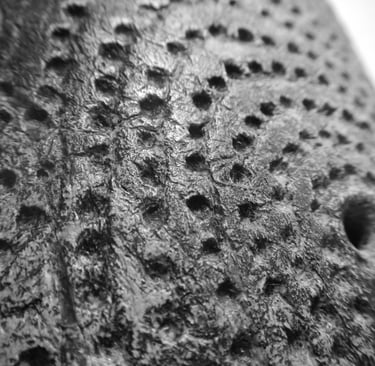
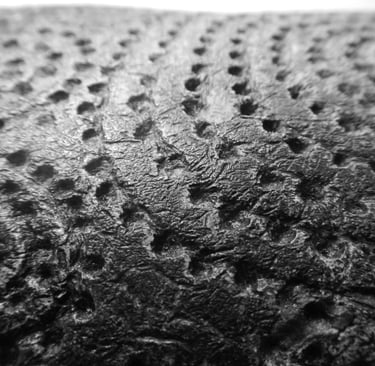
Rather than depicting an animal or a human figure, its surface is covered with hundreds of carefully arranged circular impressions and three flowing engraved lines.
More Than Decoration?
The engravings appear highly deliberate. The tiny pits are arranged in spiral and curved patterns instead of random clusters, suggesting they were created according to a planned design. Producing such a pattern would have required patience, precision, and considerable time.
But what did the marks represent? Unlike cave paintings or figurines, the Mal'ta Plate offers no obvious clues.
A Puzzle with Many Answers
Over the years, archaeologists have proposed several interpretations.
Some believe the engraved dots may represent a lunar calendar, recording the changing phases of the Moon.
Others suggest the plate functioned as a counting device, allowing its owner to keep track of seasonal events, animal migrations, or important activities.
Another possibility is that the engravings served as a memory aid—a way of storing information long before the invention of writing.
Some researchers have even proposed that the flowing lines could represent rivers, landscapes, or symbolic pathways, although no single interpretation has gained universal acceptance.
A Window into Ice Age Thinking
Whether the plate recorded time, counted events, or carried symbolic meaning, it demonstrates something remarkable about the people who created it. By 20,000 years ago, Upper Paleolithic hunter-gatherers were producing objects that went far beyond survival. They were creating artifacts capable of preserving ideas, organizing information, or expressing abstract concepts.
Why It Matters
Unlike many prehistoric objects, the Mal'ta Plate does not impress because of its size or artistic beauty. Its importance lies in the questions it asks.
Was it an early calendar? A mnemonic device? A symbolic map?
Or perhaps part of a system of communication that has been lost forever?
Whatever its true purpose, the Mal'ta Plate stands as one of the most intriguing examples of Ice Age symbolic thought—and a reminder that some of humanity's greatest innovations may have begun thousands of years before the first written words.
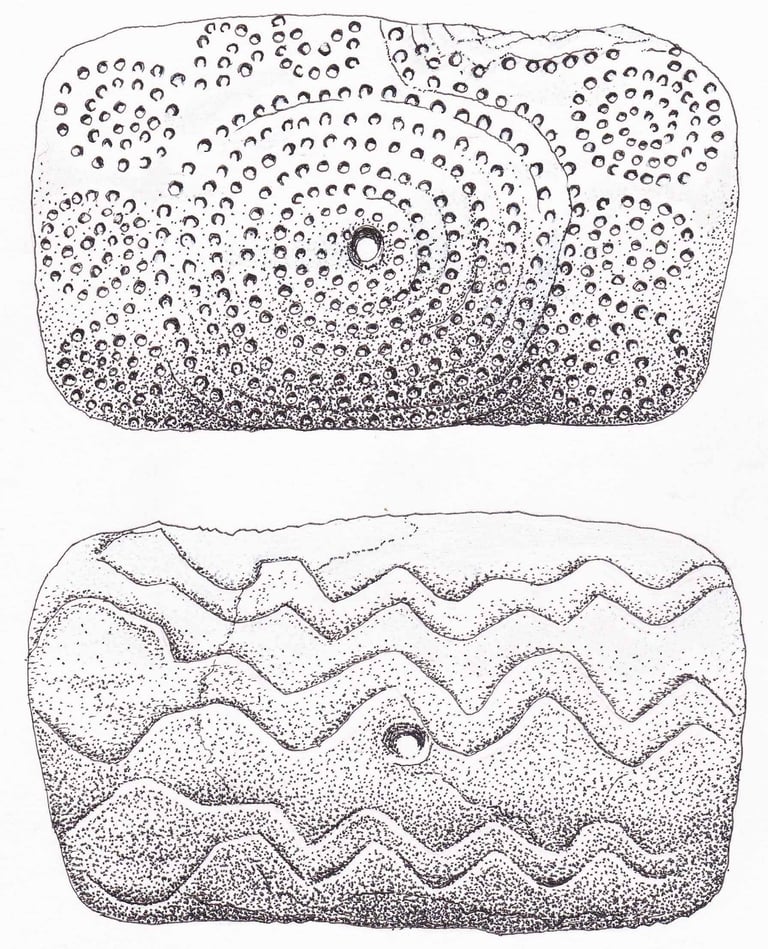


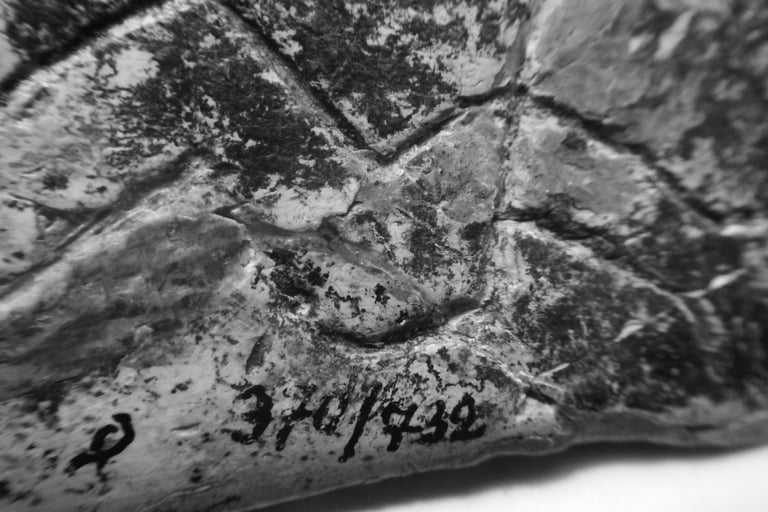
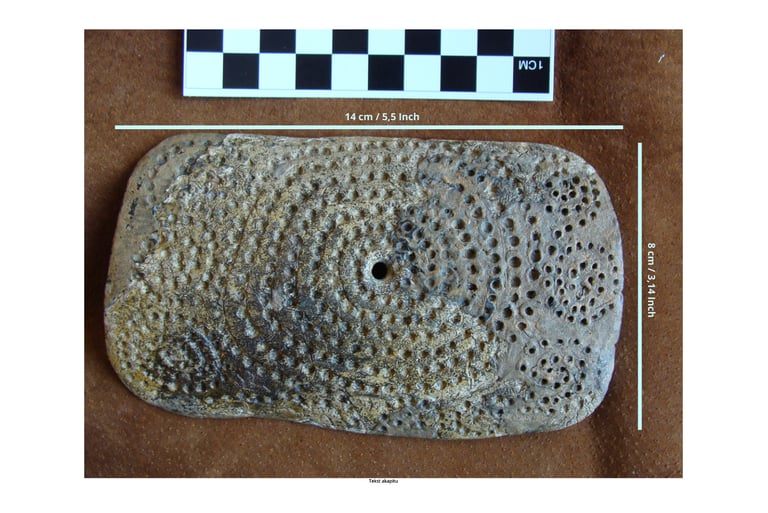
The Mal'ta Plate
23000 - 20000 Years Ago
