
The Denisovan Needle: The Oldest Sewing Needle in the World?
Discovered in Denisova Cave, the Denisovan Needle is the oldest known eyed sewing needle ever found. Learn how this tiny Ice Age tool transformed clothing, survival, and our understanding of prehistoric technology.
FIELD NOTES
Aro
7/22/20262 min read
The Denisovan Needle: A Tiny Tool That Changed Human History
Around 50,000 years ago, deep inside Denisova Cave in the Altai Mountains of Siberia, someone crafted a sewing needle. so small that it could easily fit in the palm of your hand.
Carved from bird bone and complete with a carefully drilled eye, it is the oldest known eyed needle ever discovered. It represents a remarkable leap in craftsmanship and may have transformed how Ice Age people survived some of the harshest climates on Earth.
A Remarkable Discovery
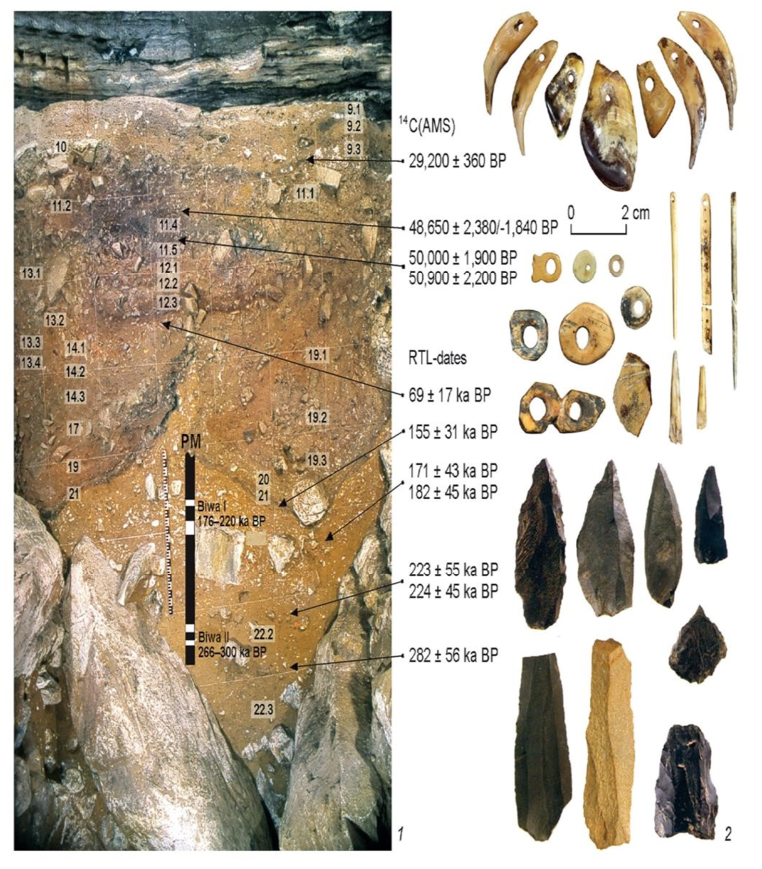
The needle was discovered in Layer 11 of Denisova Cave, one of the world's most important archaeological sites. The cave has yielded evidence of Denisovans, Neanderthals, and modern humans, making it a unique record of human evolution. Dating suggests the needle is approximately 40,000–50,000 years old, placing it thousands of years earlier than similar sewing needles found elsewhere in Eurasia.
Precision in Bone
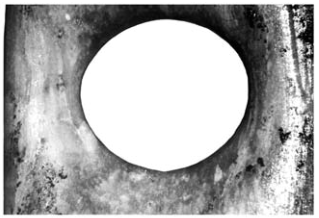
Measuring just about 7 centimeters (2.8 inches) long, the needle was carefully carved from the bone of a bird. Its pointed tip, smooth shaft, and perfectly drilled eye are remarkably similar to those of modern sewing needles. Creating such a tiny hole without breaking the fragile bone required exceptional skill and careful control.
Why Was It So Important?
An eyed needle allowed people to stitch pieces of hide together using sinew or plant fibers. Unlike simply wrapping animal skins around the body, sewn clothing could be fitted more closely, making it warmer, more durable, and better suited to life in the freezing environments of Ice Age Siberia. For hunter-gatherers living through long winters, better clothing could have made the difference between survival and death.
Who Made It?
The needle takes its name from Denisova Cave, where the remains of the mysterious Denisovans were first identified through ancient DNA. Although no one can say with complete certainty who crafted the needle, its age and archaeological context strongly suggest it was made by Denisovans or by a closely related population living in the Altai during the Late Pleistocene. Either possibility points to a level of technological sophistication that few researchers expected from humans living so long ago.
Why It Matters
Long before metal, agriculture, or cities, Ice Age craftspeople were already mastering precision manufacturing, producing objects that solved real-world problems with elegant simplicity. Thousands of years later, the basic design of a sewing needle—a sharp point and an eye for thread—has hardly changed at all.

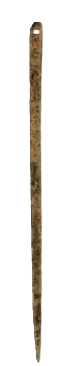
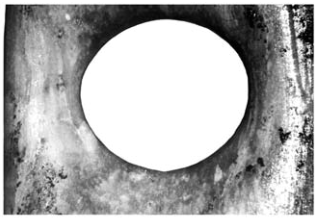
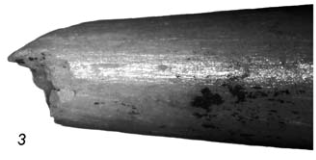
Denisovan Needle
50000 Years Ago
