
The 30,000-Year-Old Boomerang from Poland: An Ice Age Weapon Made from Mammoth Ivory
Discovered in Obłazowa Cave in southern Poland, this remarkable mammoth-ivory boomerang may be over 30,000 years old, making it one of the oldest known boomerangs in the world.
FIELD NOTES
Aro
6/20/20262 min read
The 30,000-Year-Old Boomerang from Poland
When most people think of boomerangs, they think of Australia.
But one of the world's oldest known boomerangs was not found in Australia at all. It was discovered in a cave high in the Polish Carpathians, and it may be more than 30,000 years old.
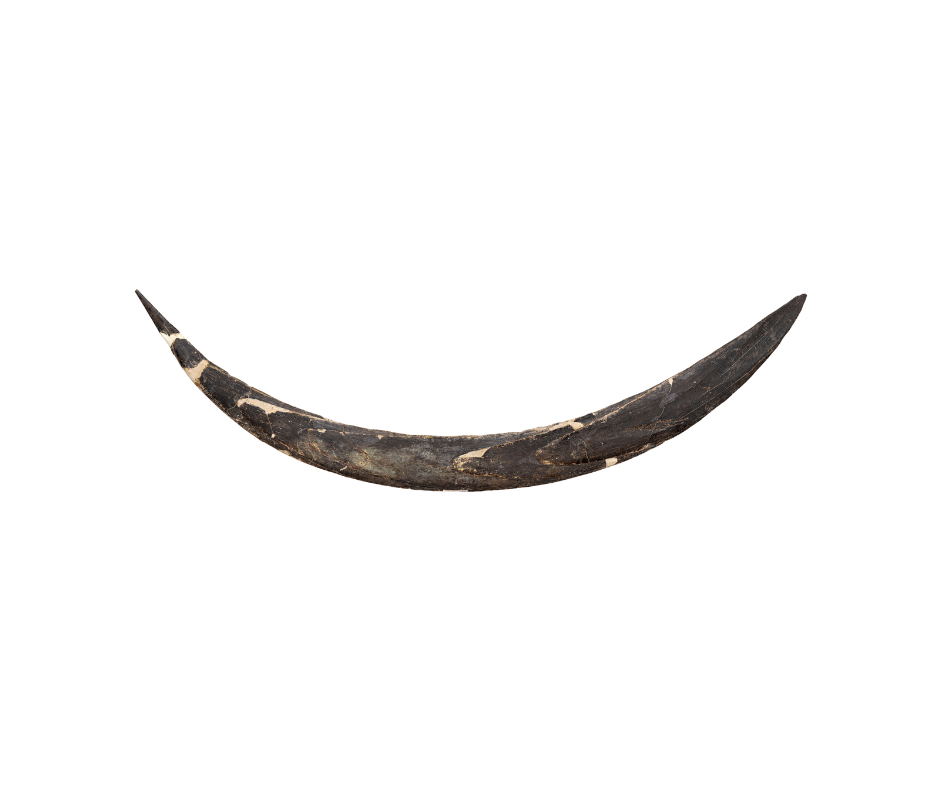
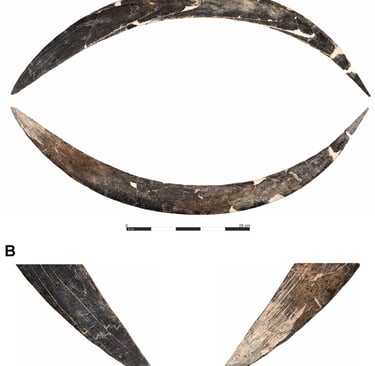
The find comes from Obłazowa Cave, located near the Tatra Mountains in southern Poland. During excavations in 1985, archaeologists uncovered a remarkable curved object made from a mammoth tusk.
A Weapon from the Ice Age
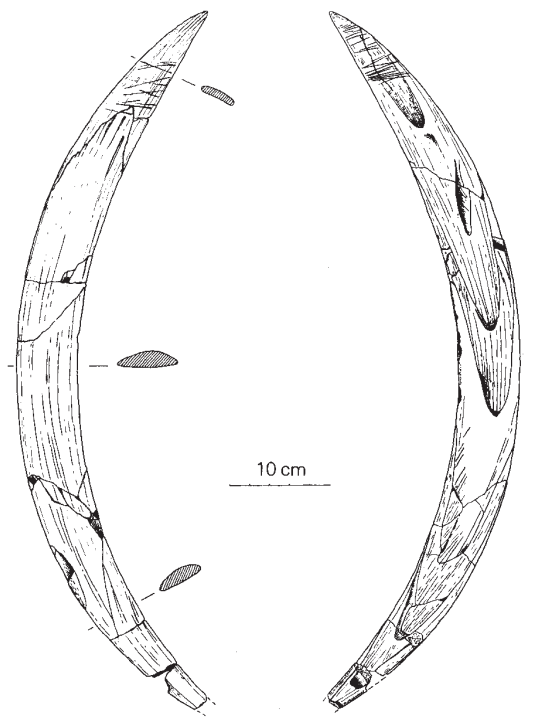
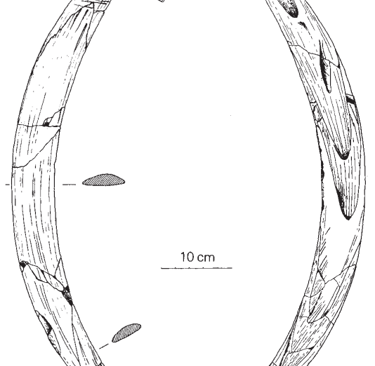
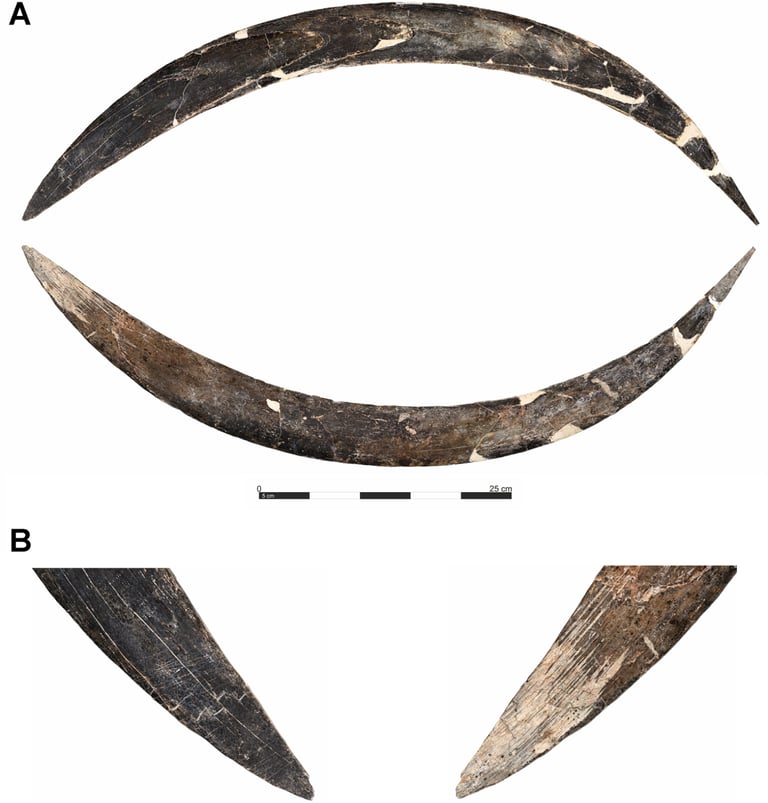
The artifact measures about 72 centimeters (28 inches) in length and was carved from a splinter of mammoth ivory. One side was carefully polished, creating a flat-convex cross-section—a characteristic shape found on many traditional boomerangs. Researchers also identified deliberate engravings made by human hands on its surface.
What makes the discovery extraordinary is its age.
The boomerang was recovered from Upper Paleolithic deposits associated with Gravettian-era hunters who lived in Central Europe during the last Ice Age. The cave layers also contained stone tools, animal remains, and evidence of a cold tundra-like environment populated by reindeer and lemmings.
Did It Return?
Probably not.
One of the biggest misconceptions about boomerangs is that they must return to the thrower. In reality, most traditional boomerangs used throughout history were designed as hunting or fighting weapons and did not return. Returning boomerangs represent only a specialized category.
Researchers classify the Obłazowa artifact as a true boomerang because of its distinctive flat-convex profile rather than its ability to return. In fact, many Australian boomerangs used for hunting birds and small game were non-returning throwing weapons.
A Mammoth Ivory Masterpiece
The craftsmanship is impressive.
The artifact follows the natural curvature of the mammoth tusk from which it was made. Studies revealed a slight twist along its length, a feature that may have influenced its aerodynamic behavior. Researchers have suggested that this twist could have enhanced its flight characteristics when thrown.
Creating such an object would have required detailed knowledge of materials, careful shaping, polishing, and an understanding of how curved objects move through the air.
Not Just an Australian Invention
The Obłazowa boomerang reminds us that similar technologies can emerge independently in different parts of the world.
Boomerangs are known from ancient Egypt, Africa, Asia, and the Americas. However, the Polish discovery pushed the European record far deeper into prehistory than previously known examples from Denmark or the Iron Age Netherlands.
For archaeologists, the find provided compelling evidence that Upper Paleolithic hunters in Central Europe were experimenting with sophisticated projectile weapons long before the invention of the bow and arrow.
Why This Discovery Matters
The Obłazowa boomerang demonstrates that Ice Age humans possessed advanced woodworking and ivory-working skills, understood aerodynamic principles through experience, and created specialized hunting technology adapted to their environment.
Thirty thousand years ago, in what is now southern Poland, people were crafting carefully engineered throwing weapons from mammoth tusks. That realization forces us to reconsider how innovative and technologically capable Upper Paleolithic communities really were.
The next time someone tells you that boomerangs belong exclusively to Australia, remember the hunters of Obłazowa Cave!
Aro

Non-Returning Boomerang
42000-39000 Years Ago
